Jewel Molla: From Bakery Worker to Captured Founder and Leader of TUJ
Jewel Molla: From Bakery Worker to Captured Founder and Leader of TUJ
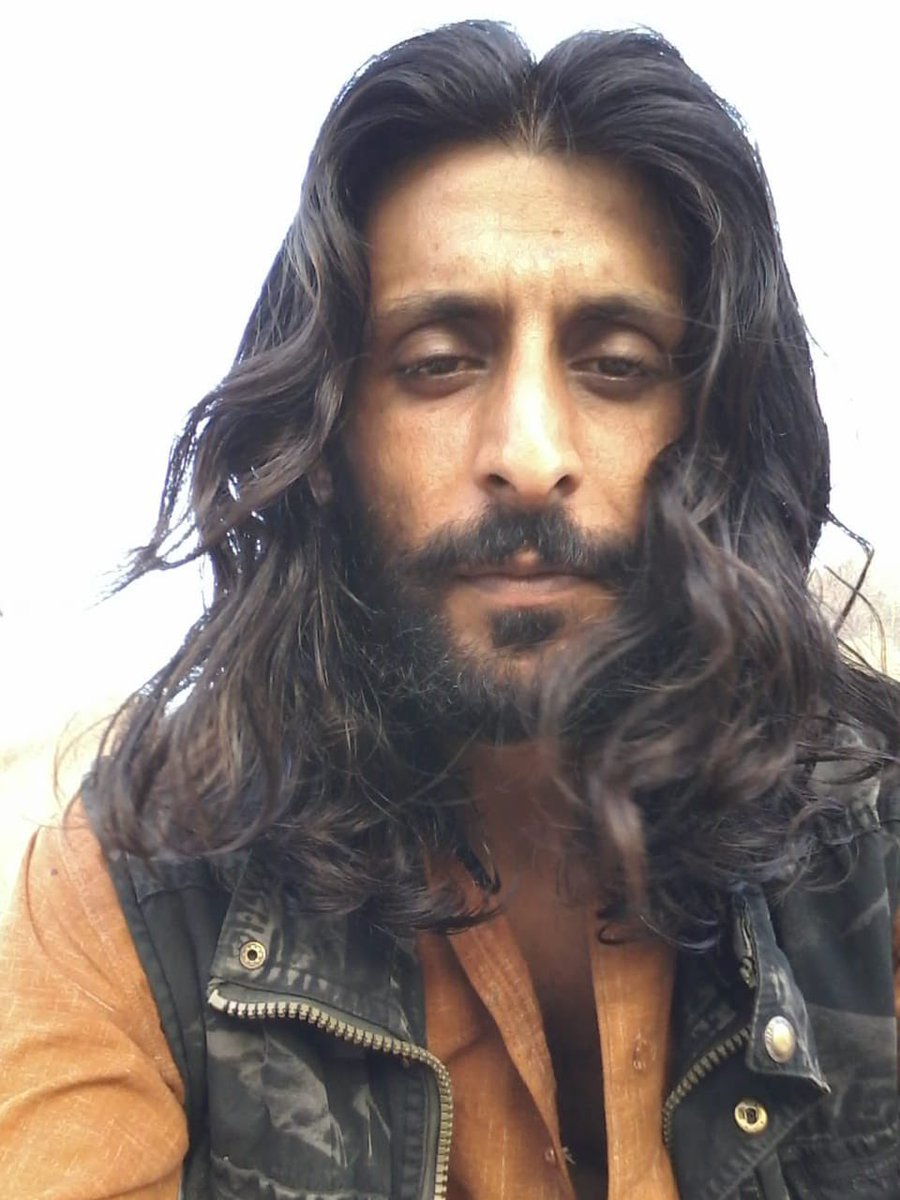
Between September 13 and 16, Bangladesh’s Anti-Terrorism Unit (ATU) uncovered a newly formed jihadist group, Tawhidul Uluhiah al-Jihadi (TUJ), which was recruiting members for attacks planned for 2024 (The Daily Star, September 27). Jewel Molla, TUJ’s founder, emerged on the jihadist scene rapidly at just 29 years of age, but has already had a significant impact on Bangladesh’s militant landscape. Molla’s journey from bakery worker to jihadist leader (until his arrest by the ATU) has shown how jihadists in Bangladesh—as with elsewhere in the world—can emerge from unsuspected places.
Life and Radicalization
Molla is from Bagerhat, a southern district in the Khulna province of Bangladesh. His upbringing appeared unremarkable. Molla received an education up to seventh grade and initially worked as a staff member in a bakery. However, it was his exposure to jihadist materials online that set him on a dangerous path. Under the influence of online lectures by Jasimuddin Rahmani—currently in prison, but spiritual leader of the al-Qaeda-affiliated Ansarullah Bangla Team (ABT) at the time—Molla joined the ABT. He then quickly rose to prominence within the organization and became the commander of the ABT in Khulna (BanglaNews24, October 22, 2019).
Molla’s role within the ABT was elevated when he was tasked with consolidating ABT activities in the city of Rajshahi. This mission included the collection of illegal weapons and the planning of sabotage operations across Bangladesh, including in the capital, Dhaka. His plan also involved targeted killings of figures perceived to be anti-Islam. However, Molla’s campaign ended on October 21, 2019, with his arrest by the Bangladeshi police’s Rapid Action Battalion (RAB) during a clandestine ABT meeting (held in a building under construction in Godagari, Rajshahi). During the arrest, incriminating evidence, such as jihadist materials and flags, a diary, and leaflets, were seized. While Molla and another ABT member were apprehended, several others managed to evade capture (Rajshahi Post, October 23, 2019).
Molla spent nine months in prison, using the duration of his sentence strategically. He served as the muazzin (the man who calls Muslims to prayer) at the prison mosque and was able to radicalize and motivate fellow inmates toward his ideology. Upon his release on bail, Molla returned to work at the bakery and seemingly abided by the conditions of his release. Behind the scenes, however, he began laying the foundation for his own jihadist organization. Molla’s personal life took a dark turn as well, with his wife divorcing him; this only pushed his radicalization further (NewsBangla24, September 16).
Forming TUJ
After Molla’s release from prison, he established TUJ in Bangladesh; TUJ officially began operating in the second quarter of 2023. According to police estimates, TUJ has 80 to 90 members (Dainik Bangla, September 16). It has also drawn recruits from various jihadist organizations in Bangladesh, including the banned Ansar al-Islam (AAI) and the openly operating Hizbut Tawhid. For reasons unknown, Hizbut Tawhid has not faced action from authorities in recent years, despite its “blacklisted” status (Blitz, June 16, 2019).
TUJ gained attention when its members were found disseminating jihadist propaganda through secret online groups and advocating jihad to establish a caliphate and overthrow Bangladesh’s democratic system. Molla claimed to have received a dream-inspired directive to reinstate the Caliphate in 2024, a century after the dissolution of the Ottoman Empire, and he propagated this vision within TUJ. The group further used a unique black flag featuring the shahada (testament of faith) and a sword image that resembled flags used by other jihadist organizations. Molla attributed the flag’s design to a dream, which added an enigmatic aspect to its symbolism (NewsBangla24, September 16).
TUJ is strongly aligned with al-Qaeda due to Molla’s past affiliation with ABT (which came to be called AAI). It is also recognized by both al-Qaeda in the Indian Subcontinent (AQIS) and al-Qaeda Central. Molla’s loyalty to AAI leader Jasimuddin Rahmani, who is known for orchestrating attacks on secular bloggers and activists, reinforces TUJ’s alignment with al-Qaeda goals.
Live-Streaming and Arrest
Sometime between September 11 and 12, Molla live-streamed a video inside an empty train compartment to spread his messages. In this, he talked about TUJ. Molla’s provocative speeches and views attracted followers and raised concerns about potential attacks. This prompted the ATU to intensify its surveillance of him (NewsBangla24, September 16).
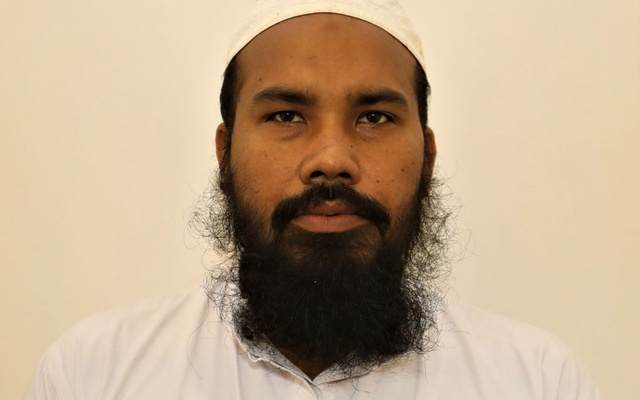
From September 13 to 16, ATU conducted operations across Bangladesh, which led to the arrest of Molla in Bagerhat District, along with two other top TUJ leaders from other parts of the country; this included TUJ second-in-command Mohammad Rahul Hossain. Hossain was caught while researching bomb-making online and planning to finance the group by selling his land. Leaflets and eight of the group’s flags were seized during the raid to capture him (Daily Sun, September 16).
Conclusion
Jewel Molla’s transformation from a bakery worker to TUJ’s founder and leader underscores the way radicalization occurs in the digital age. His arrest and that of other TUJ members show that Bangladesh’s law enforcement’s ongoing fight against terrorism is yielding results. Yet, only a fraction of TUJ’s estimated members are in custody. This underscores the enduring threat of Molla’s group to Bangladesh’s stability and security.